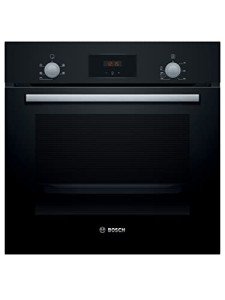
The Modern Kitchen: Embracing Built-In Ovens and Microwaves
In modern kitchen design, functionality and aesthetic appeals play pivotal functions. Among the crucial appliances that embody this consistency are built-in ovens and microwaves. These components not just enhance the performance of cooking but also contribute to a structured, advanced kitchen design. This article checks out the benefits, functions, and considerations of integrating built-in ovens and microwaves into modern kitchens.
Benefits of Built-In Ovens and Microwaves
1. Area Efficiency
Built-in ovens and microwaves are designed to fit perfectly into cabinetry, leading the way for more space-efficient kitchen layouts. This style decreases countertop mess and maximizes use.
2. Boosted Aesthetics
A built-in oven or microwave provides a tidy, integrated appearance. This develops a sense of elegance and connection in kitchen design, rather than standalone appliances that can interfere with the visual flow.
3. Ease of access
These appliances are usually set up at eye level, making it easier to access without flexing down. This availability is especially advantageous for those with movement problems.
4. Improved Cooking Performance
Lots of built-in appliances include advanced cooking technologies, using superior performance. Convection ovens, for instance, distribute air for even cooking, while microwave ovens frequently have sensing units that change cooking times based on food wetness levels.
5. Increased Resale Value
A modern-day kitchen with built-in appliances can significantly boost the resale worth of a home. built-in oven and gas hob packages are frequently drawn to kitchens that display thoughtful design choices and top quality components.
6. Modification
Built-in choices often can be found in different designs, finishes, and functionalities. House owners can tailor their choices to match their kitchen's total style schema and individual cooking preferences.
Key Features to Consider
When improving a kitchen with built-in ovens and microwaves, numerous functions should be taken into account:
| Feature | Description |
|---|---|
| Size | Built-in appliances been available in numerous sizes, which ought to be picked based upon the kitchen layout and existing kitchen cabinetry dimensions. |
| Design and Finish | Choices include stainless steel, glass, or customized paneling, enabling these appliances to blend with or stick out from the kitchen's design. |
| Cooking Technologies | Check out specialized innovations such as convection, steam cooking, or sensing unit cooking to advance culinary abilities and efficiency. |
| Smart Features | Numerous modern built-in appliances use Wi-Fi connection, making it possible for remote control and diagnostics through smartphones. |
| Energy Efficiency | Look for Energy Star-rated appliances to make sure optimal energy use without compromising performance. |
| Relieve of Cleaning | Built-in ovens and microwaves with self-cleaning functions or easy-to-clean surfaces can considerably minimize maintenance efforts. |
Incorporating Built-In Ovens and Microwaves: Design Tips
To effectively incorporate built-in ovens and microwaves into a kitchen, think about the following style ideas:
Layout Considerations
- Placement: Position built-in ovens near the primary workspace for convenience.
- Ventilation: Ensure correct ventilation, particularly above the oven, to help with efficient cooking.
Matching Elements
- Cabinetry: Choose cabinetry surfaces that match or contrast your built-in appliances while preserving a cohesive appearance.
- Backsplash and Countertops: Select materials that connect appliance colors to produce an unified kitchen environment.
Lighting
- Sufficient lighting around cooking locations improves presence and security. Think about under-cabinet lighting to light up the work area.
Maintenance of Built-In Appliances
To ensure durability and ideal efficiency of built-in ovens and microwaves, homeowners need to follow maintenance practices such as:
- Regular Cleaning: Both the interior and exterior surface areas need to be cleaned up routinely to avoid food accumulation and maintain appliance appearance.
- Regular Inspections: Periodic assessments can help find and address minor problems before they escalate into larger problems.
- User Manuals: Always speak with the user handbook for particular maintenance guidelines associated with each home appliance.
Frequently asked questions
Q1: How much do built-in ovens and microwaves expense?
A: Prices can differ substantially based on brand name, features, and size. Built-in ovens can range from ₤ 1,000 to ₤ 5,000, while microwaves normally range from ₤ 400 to ₤ 2,500.
Q2: Can built-in ovens and microwaves be installed in any kitchen?
A: As long as proper sizing and electrical requirements are fulfilled, built-in ovens and microwaves can be set up in the majority of kitchens. A professional consultation may be recommended to ensure compatibility.
Q3: Are built-in microwaves powerful enough for daily cooking?
A: Most built-in microwaves provide adequate wattage (normally in between 900 and 1,200 watts) for daily cooking tasks, consisting of reheating, thawing, and cooking meals.
Q4: Do built-in appliances require more maintenance than standalone ones?
A: Generally, built-in appliances do not require substantially more upkeep than standalone equivalents. Nevertheless, certain functions like self-cleaning ovens may ease upkeep efforts.
Q5: Can I customize my kitchen with various brand names for built-in appliances?
A: Yes, provided that the styles and surfaces balance. Nevertheless, it is recommended to check compatibility, especially regarding electrical and ventilation requirements.
In summary, built-in ovens and microwaves present many advantages for modern cooking areas, combining innovation with style. Property owners can explore different alternatives that match their aesthetic choices while improving the functionality of their culinary areas. With careful consideration, thoughtful placement, and attention to maintenance, built-in appliances can considerably elevate the total kitchen experience, eventually causing a more pleasurable cooking environment.